The future of care is physician-led
Replacing the physical exam · Where AI stops · Protecting patient data · Care in five years
The evening
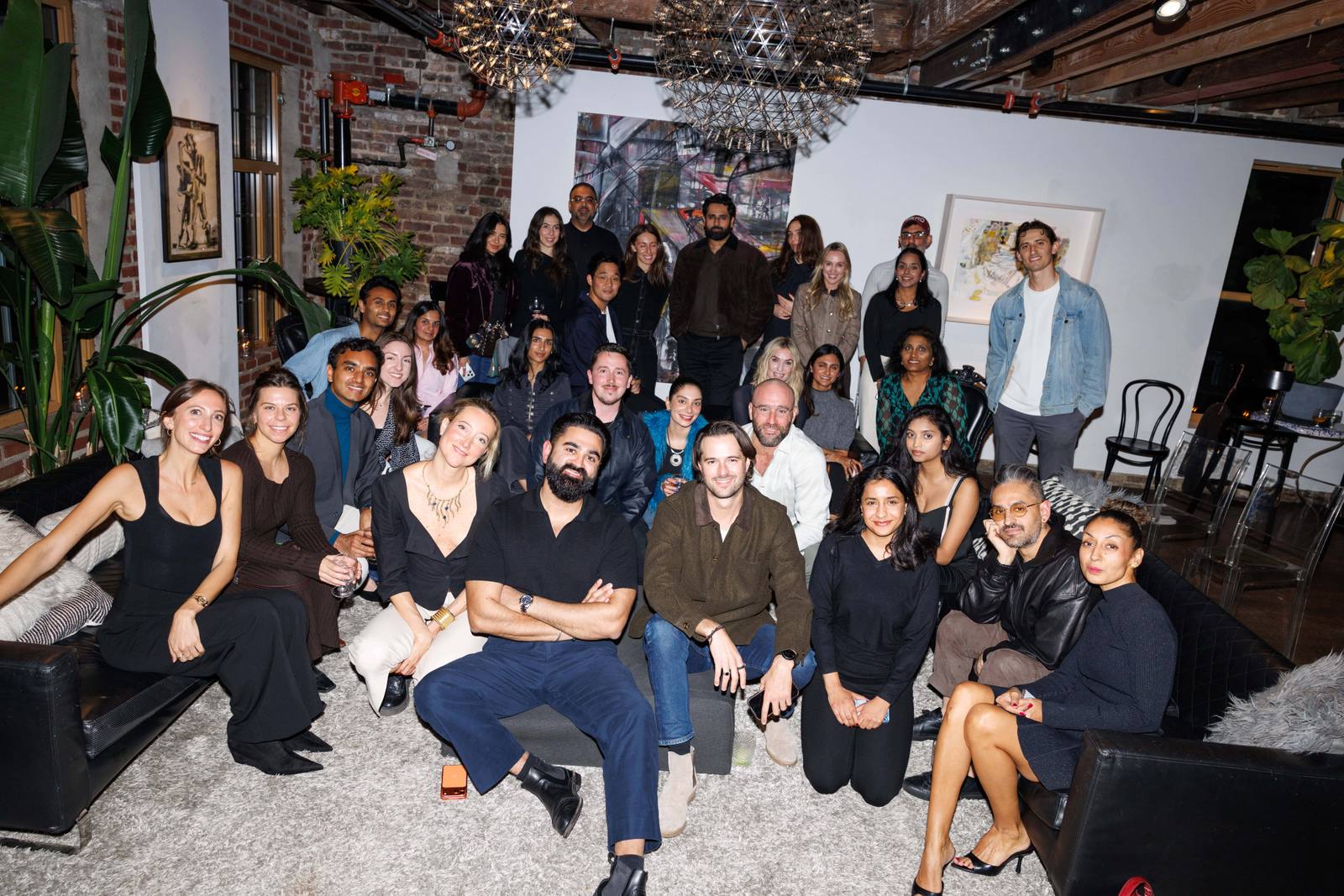
Physicians, researchers, and community leaders joined us in New York to talk about how AI is shaping the future of care. KJ, Lotus's co-founder and CEO, shared why Lotus is being built and opened the floor to questions. Here's what we covered.
Topic
Where AI stops
We spoke about what clinical AI can handle, why final decisions remain with physicians, and how care changes when insurance isn't in the middle.
The conversation
-
What's been the hardest part of building Lotus?
I'm an engineer. You approach problems systematically and hope the world is logical. Healthcare isn't. It's one of the only markets where the patient isn't the customer or the decision maker. Insurance sits in the middle, decides what care your doctor can give you and adds things like prior authorization to reduce how much care you actually get.
Even plugging into that system is hard. Sending a prescription to any pharmacy in the US in about a minute sounds simple. Healthcare was never built to work that way.
-
How do you replace the physical exam?
When you sign up, we pull in your records from the health systems you've been to, so we often already have your recent exams. You can add vitals you take at home, like blood pressure or weight, and connect wearables like Oura or Fitbit. Those are accurate signals that almost never make it into your medical record.
When something comes up, Lotus asks the same structured questions a doctor would and hands the physician the full picture. If they need more, Lotus asks you. You can upload a photo of a rash or a bump. Sometimes a doctor needs to examine you in person, and we'll tell you when. But most primary care doesn't need an exam room.
-
What role should AI play in care?
Everything between the patient and the doctor that isn't a clinical decision, we've automated or we will. The final decision stays with a physician, and it will for a long time. Partly that's accountability. Partly it's that AI isn't there yet. It's good at exam questions. It isn't good at a real person with five conditions, on several medications, going through something hard. That's where human judgment is invaluable.
Think about flying. Computers fly most of the flight, but nobody would get on a plane without pilots. When trust matters, people want a human to look, even for a minute or two.
-
How does Lotus get better over time?
We use a mix of frontier and open source models, fine-tuned for medicine. The part that matters most is our doctors. Every time a physician agrees or disagrees with Lotus Cortex, we learn from it, and the disagreements teach us the most. Very few companies own both the patient relationship and the physician relationship. We own both.
-
Where does Lotus fit next to ChatGPT and other chatbots?
People will keep asking chatbots about their health. Humans are curious. But diagnosing, prescribing and ordering labs require a licensed physician, and that won't change soon.
Most people can't remember their MyChart login, let alone which hospitals have their records. We find them automatically because we're your care provider. Looking after you over years, and actually treating you, is where Lotus fits.
-
How do you protect patient data?
I think about it all the time. We do everything the leading tech companies do. But models are getting more capable, and attackers are using them to find weaknesses. So we use the same models on ourselves. We have agents running day and night trying to hack us, so we find the holes before anyone else does. It's a real risk across the industry, and we treat it like one.
-
Is there room for holistic health?
I can't tell you how many times my mom's turmeric has helped me more than any medication. There are thousands of years of practice behind those treatments and about a hundred years of modern medicine.
Today we stay evidence-based, because earning doctors' trust matters. But it's already happening. Lotus might suggest turmeric, a physician reviews it and often agrees. Our doctors can do that because they aren't paid by insurance or pharma.
-
What does healthcare look like in five years?
To really fix this for patients, we think you have to build a parallel health system. We don't bill insurance. We hire our own doctors, care for our own patients and partner for in-person care.
Today you wait months to see someone for 15 minutes, often not even a doctor, about one complaint. Our physicians look at all of you, not just one symptom, in minutes. That's how we give everyone what's basically concierge medicine. Physician-led care at scale.
Heard in the room
In our culture there's dasvandh: you give 10% of what you earn back to the community. Lotus is how I do that at a scale that actually impacts the world. My name, Kamal, means lotus. It's my life's work.
From the night
47 photographs



.jpg)